

Cholesterol is a natural fatty substance produced by the liver, and while it has some benefits for the body, too much of the bad kind can clog blood vessels and lead to long-term high cholesterol. It can happen to anyone, but it’s primarily triggered by unhealthy lifestyle habits.
There are some influences that an individual cannot control, such as aging or their family history, but it’s important to manage the factors that contribute to high cholesterol. Medical professionals – like Dr Wael Berro, a family medicine physician – emphasise the importance of good heart health for fighting off high cholesterol-related issues. To learn more about the dangers of high cholesterol, see the embedded PDF.
First and foremost, it’s crucial to identify the lifestyle changes that can be made to improve cholesterol levels in the blood. Eating heart-healthy foods is the first easy fix because an omega-3-rich diet that includes few saturated fats and more soluble fibre lowers unhealthy cholesterol levels, as well as blood pressure.
Some of the best foods to eat to lower cholesterol include:
- Oily fish
- Wholegrains
- Fruit
- Chicken
- Pulses
- Vegetables
Anything with high levels of salt, fat and calories are unhealthy and should be eaten in moderation, with a health-focussed diet taking priority. That also includes limiting sugary snacks and drinks and reducing alcohol intake by a sizeable amount.
To complement a heart-centric diet, it’s also recommended to do more exercise. Physical activity encourages circulation, raises the level of high-density lipoproteins in the blood and gets the heart pumping. Even activities as mild as taking the stairs each day can be incredibly beneficial. Smokers should work to quit to receive similar benefits, as smoking also affects blood circulation and heart rate.
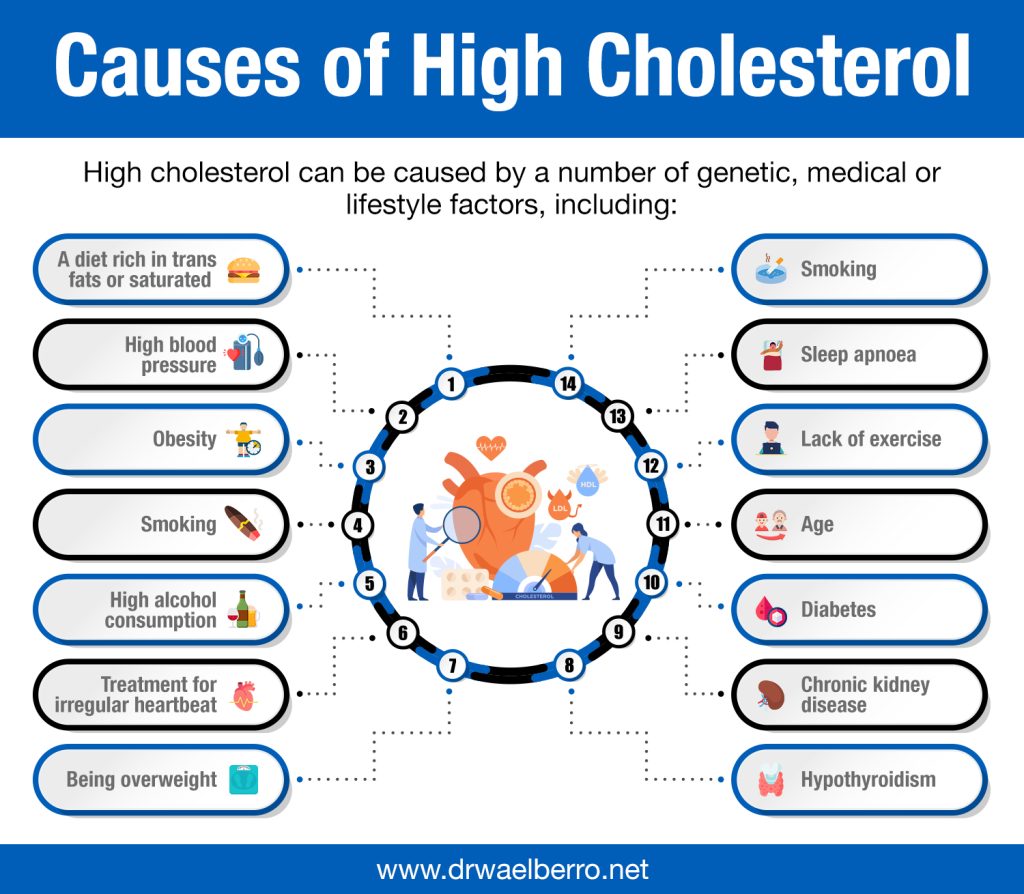
When the body feels its best, it takes better care of itself. Carrying a bit of extra weight puts it under more pressure and often indicates an unhealthy diet. Making small changes to encourage healthy weight loss reduces the amount of bad cholesterol in the bloodstream.
One often-overlooked lifestyle change to make is to get more sleep. A tired body throws its hormones out of balance, and this has knock-on effects for its cholesterol balance. Try to get a full night’s sleep in order to feel properly rested, and consult a doctor if the situation does not improve.
These lifestyle changes are all good for the body in isolation, but combining them is the easiest way to ensure low cholesterol. High cholesterol has no symptoms, so while there are tests available, like the finger-prick test, it’s best to confront the unhealthy lifestyle choices that cause dangerous high cholesterol.