

Nature is a constant presence in our lives that we often underestimate and take for granted. Its calming benefits are actually highly influential in addressing and combating poor mental health. Everything from expansive forests and beaches to bodies of water to trees built on urban streets has a positive impact, as does tending a garden and even watching nature documentaries.
Healthcare professionals – like practicing doctor and nature lover Dr Wael Berro – recommend spending more time outdoors to maximise these benefits. Nature acts as a mental healing force, and introducing even a little time outdoors each day can have amazing long-term benefits.
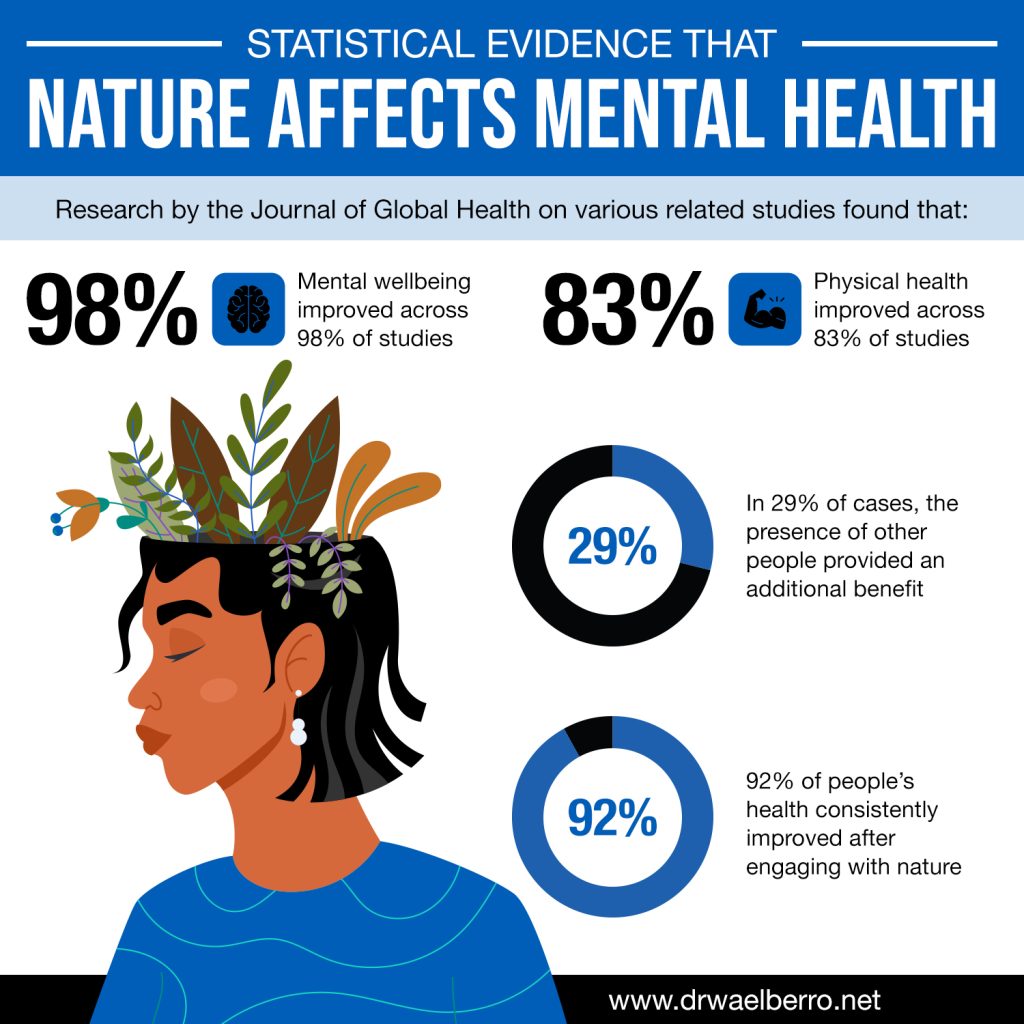
People who embrace and regularly connect with nature experience many positive changes, including:
- Improved mood
- Reduced feelings of anger or sadness
- Increased physical relaxation
- Improved self-esteem
- Reduced loneliness
- More opportunities to exercise
In recent years, people have become more disconnected from nature due to the increase in remote working, and children also spend more time indoors with devices nowadays. Stress and isolation are two major causes of poor mental health, but nature has the power to reduce them. Going outdoors instantly relaxes the mind, encouraging it to forget work, deadlines and other stressful responsibilities.
Recurrent time spent outside can also help to alleviate the symptoms of chronic mental health conditions including anxiety, depression and PTSD. Nature engages the brain and boosts positive emotions, and having scheduled time for outdoor activities also encourages the brain to prioritise time spent outside. For more information about the best ways to connect with nature, see the embedded PDF.
Any outdoor activity that involves immersing yourself in nature is a viable therapeutic outlet, so anyone can reap these benefits. Many experience physical benefits, too, due to increased exercise, which also contribute to lower blood pressure, an enhanced immune system and improved self-esteem. Nature puts people in the right mood to reject harmful sedentary lifestyles.
As global governments continue to invest in green spaces, ecotherapy becomes more accessible. Medical professionals have long touted the benefits of spending more time outdoors, but people must form a connection to nature in order to experience its emotional power.
It’s remarkable how things as simple as watching clouds and smelling wildflowers can help the mind to work better, but it’s all about entering a healthy headspace. People who embrace nature are less angry, stressed and hostile than those who don’t, yet they often don’t realise how beneficial it is to be outdoors until they are fully back in touch with nature.