

Celiac disease is an autoimmune disease that is triggered by the ingestion of gluten in people who are genetically predisposed to be affected by it. Gluten is a protein found in foods such as wheat, barley and rye, and when it is consumed by people with celiac disease it prompts the body’s immune system to attack the small intestine. Over time, these attacks generally damage the lining of the small intestine, leading to the organ’s reduced ability to absorb nutrients.
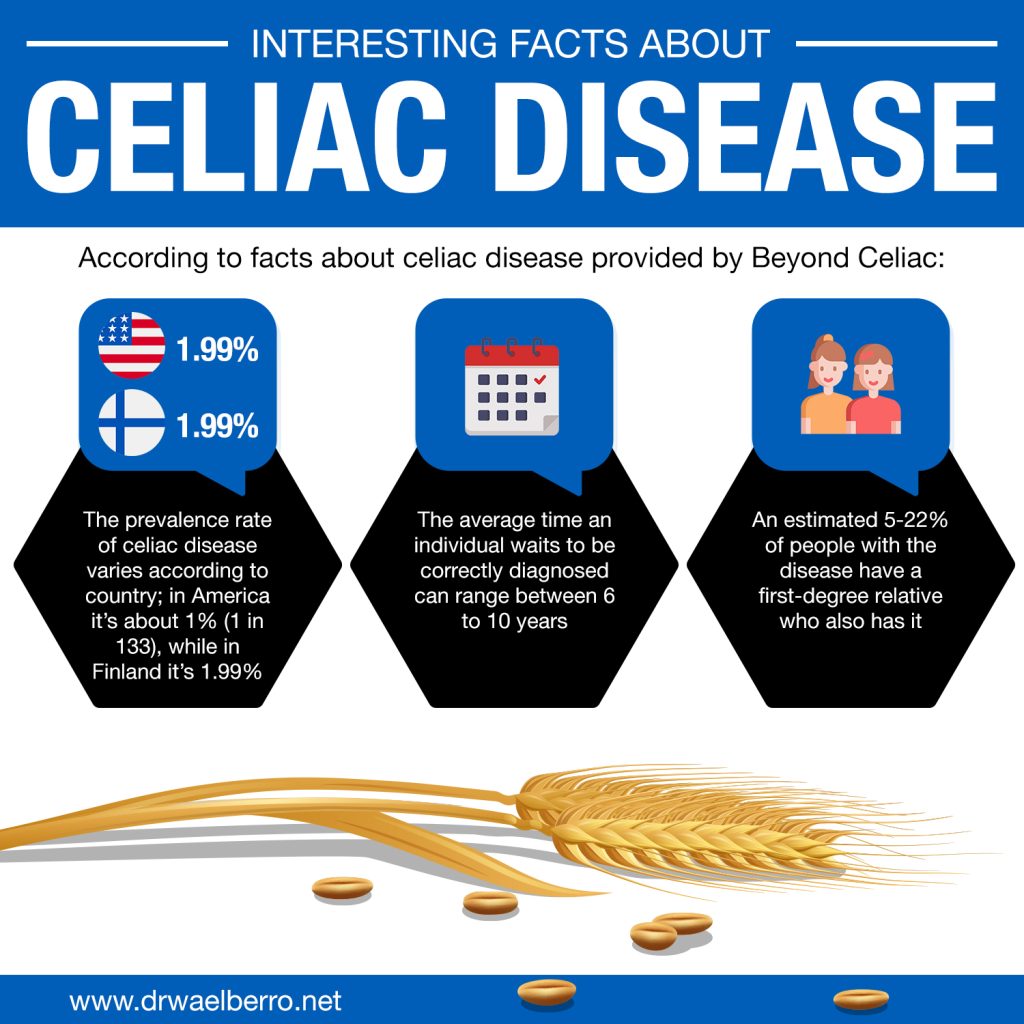
As celiac disease runs in families (it is a hereditary disease), people need to seek professional medical advice if they have a first-degree relative suffering from it. Consulting a primary care physician, such as Dr Wael Berro, is a recommended option to understand more about the disease and how to go about managing it.
Celiac has no definite cure, but those with the disease can help the intestines heal and manage symptoms by following a gluten-free diet.
How it Affects the Body
The small intestines are where most of the nutrients consumed through food are absorbed, and they are lined with small fingerlike projections called villi that are essential to nutrient absorption as they increase the surface area for this process. In people with celiac disease, the presence of gluten in the small intestines prompts an immune response that sends antibodies to eliminate the gluten. This response ultimately ends up damaging the mucous membrane and eroding the villi.
Damage to the small intestines leads to malabsorption, which is the body’s inability to absorb sufficient nutrients. Malnutrition is often the result, and the lack of various nutrients can lead to a host of other conditions and issues. In children, malnutrition affects normal growth and development.
Symptoms and Risk Factors
The symptoms vary and can be different between adults and children. For the former, the symptoms include fatigue, diarrhoea, abdominal pain, bloating and gas, weight loss, constipation, and nausea and vomiting. In children, symptoms include gas, swollen belly, nausea and vomiting, chronic diarrhoea, constipation, and pale, foul-smelling stools.
The disease is most common among people of Northern European descent. However, people have a 10 percent chance of developing it if they have a first-degree relative such as a child or parent who suffers from it.
If left untreated, celiac disease can lead to other autoimmune disorders and conditions such as heart disease, neurological issues, anaemia and even intestinal cancers. Adherence to a strict gluten-free diet is the common treatment option offered to patients.