

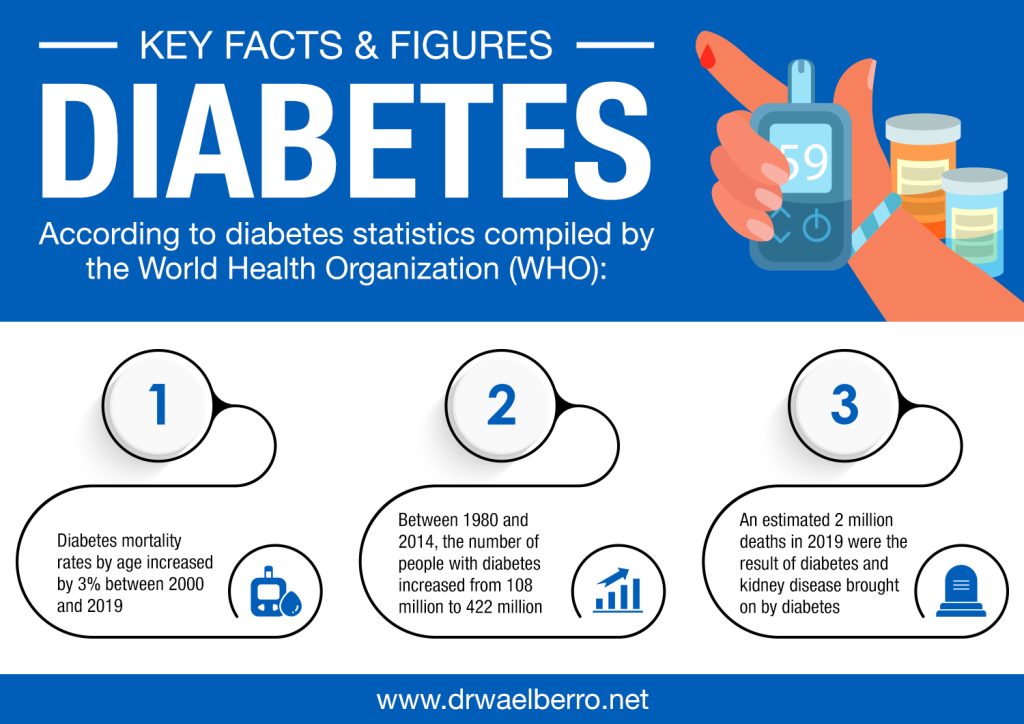
Diabetes is a chronic disease that affects millions of people worldwide and is a cause of issues such as kidney failure, heart attacks, blindness, lower limb amputation and stroke, according to the World Health Organization (WHO). Medically, diabetes occurs when the pancreas fails to produce adequate insulin (the hormone that regulates glucose levels in the blood) or the body cannot use the insulin it produces effectively.
Managing the growing incidence of diabetes is one of the key clinical challenges for the medical and research community in England. Over three million people currently live with the disease in England, with estimates pointing at this number rising to over four million by 2030. As primary care physician Dr Wael Berro knows, long-term action is necessary to ensure patients receive quality treatment and that diabetes care services are accessible.
Understanding Diabetes
The disease typically occurs in two main forms:
- Type 1 diabetes: This form of diabetes is characterised by deficient insulin production, so patients have to administer insulin daily to manage it. Its cause and the means of preventing it are unknown.
- Type 2 diabetes: This form of diabetes affects how the body uses insulin. Without treatment, patients can have high levels of blood sugar, which is dangerous. Over time, type 2 diabetes can damage the nerves and blood vessels.
Other ways that diabetes can be diagnosed include gestational diabetes, impaired glucose tolerance, impaired fasting glycaemia or non-diabetic hyperglycaemia. The latter, in particular, happens when people have high blood sugar levels above the normal range but not enough to qualify as a diabetes diagnosis. However, such people are at a higher risk of developing type 2 diabetes.
When To See a Doctor
Symptoms of diabetes can develop over time or occur suddenly. Some of the most common include:
- An increased need to urinate (more than usual)
- Feeling tired
- Unintentional weight loss
- Blurred vision
- Feeling very thirsty
Type 1 diabetes can develop relatively quickly, and weight loss is often associated with this form of the disease when it first develops. People with type 2 diabetes can have it for years without realising, as the symptoms tend to be general or none at all.
Treatment and Care
Blood glucose testing is one of the relatively inexpensive ways of diagnosing diabetes. The treatment for type 1 diabetes is insulin injections, while patients with type 2 diabetes may need to take medication to manage blood sugar levels and blood pressure. In both cases, living a healthy lifestyle is advocated.