

Hypertension, or high blood pressure, massively increases the risk of developing a cardiovascular disease, and many people don’t realise they have it until they are officially diagnosed. Anybody with blood pressure that consistently exceeds 140/90 mmHg must manage their hypertension for better heart and arterial health.
Medical practitioners – like Dr Wael Berro, a primary care physician and former medical director – endorse a variety of lifestyle management techniques to reduce blood pressure. In certain cases they may also recommend blood pressure medication, but this should be combined with lifestyle changes. To learn more about controlling blood pressure with medication, see the embedded PDF.
Some of the biggest causes of high blood pressure are an unhealthy diet, a lack of exercise and harmful lifestyle habits. It’s essential to combat these causes immediately to get the body in the best condition possible to fight hypertension.
The easiest lifestyle change to make is taking more exercise. It’s recommended to do 2.5 hours of moderate-to-intense physical activity per week, separated into manageable sessions. The best exercises for lowering blood pressure include jogging, swimming, aerobics, tai chi and resistance training.
To maximise the effects of a regular fitness regime, pair it with a healthy diet. A heart-friendly diet is low in fat, salt and sodium, restricts caffeine and alcohol intake and promotes hydration. The DASH (Dietary Approaches to Stop Hypertension) eating plan recommends high daily servings of fruit, grains, vegetables, and meat and fish, while limiting fatty meats, sugar, full-fat dairy and sweet drinks.
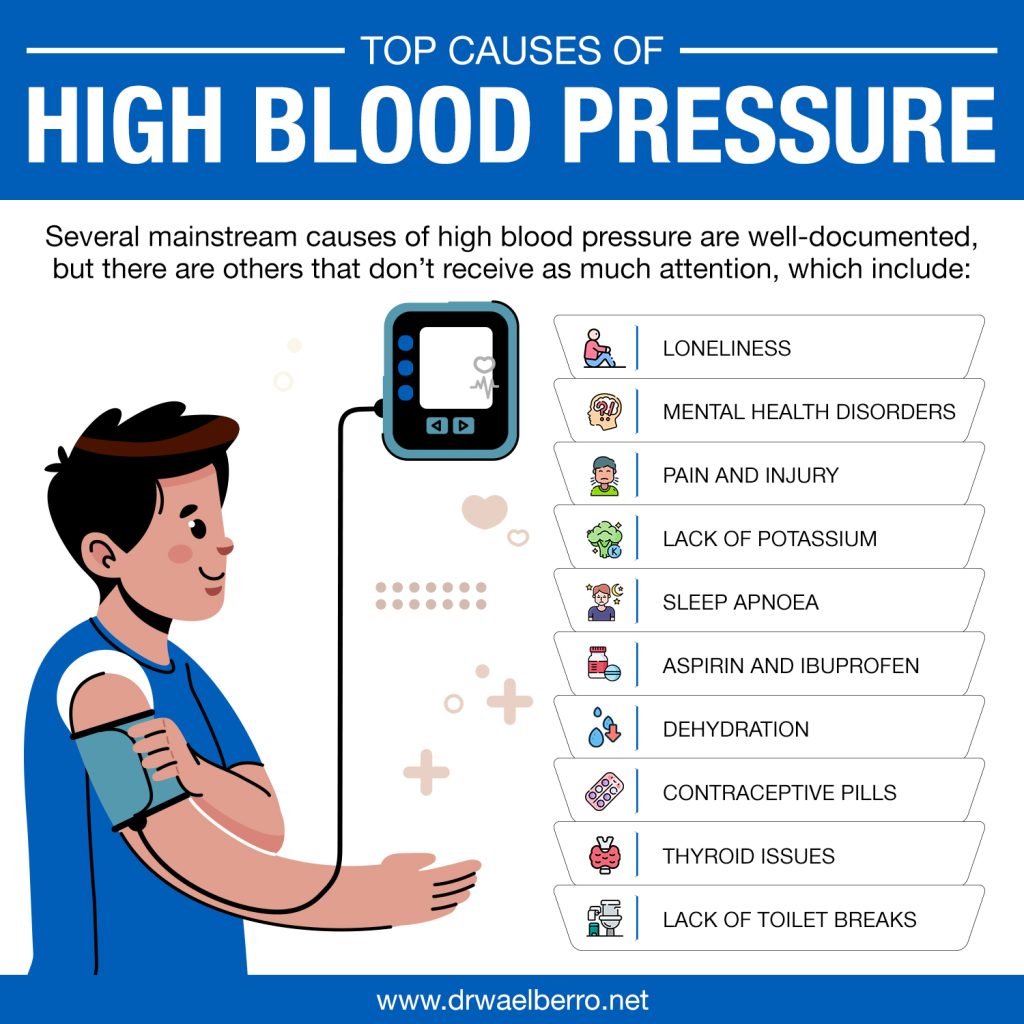
People who implement these lifestyle changes typically see a huge improvement in blood pressure readings and overall cardiovascular health. However, there are other important factors to consider and manage, including sleep. Blood pressure naturally drops when the body is asleep, so people who suffer with insomnia or sleep apnoea are more likely to develop hypertension.
To improve sleep quality, focus on relaxing in the evening to naturally wind down and become drowsy. For suspected sleep disorders, consult with a GP to access further support and medication. Disrupted sleep and other taxing lifestyle factors also increase stress, which further increases blood pressure by releasing a surge of hormones into the blood that make the heart beat faster.
By implementing healthy hypertension management techniques, including increased exercise, healthy eating, reduced alcohol intake and improved sleep, stress decreases naturally. Blood pressure spikes when the body is distressed, damaged or otherwise unhappy, so it’s vital to improve its overall health to effectively manage blood pressure.