

The gastrointestinal system comprises all of the organs that break down foods and liquids so that the body can absorb essential nutrients and good bacteria which aid healthy digestion. Any bacterial imbalances or infections caused by gastrointestinal diseases upset the digestive process and lead to unwanted side effects, such as vomiting and diarrhoea.
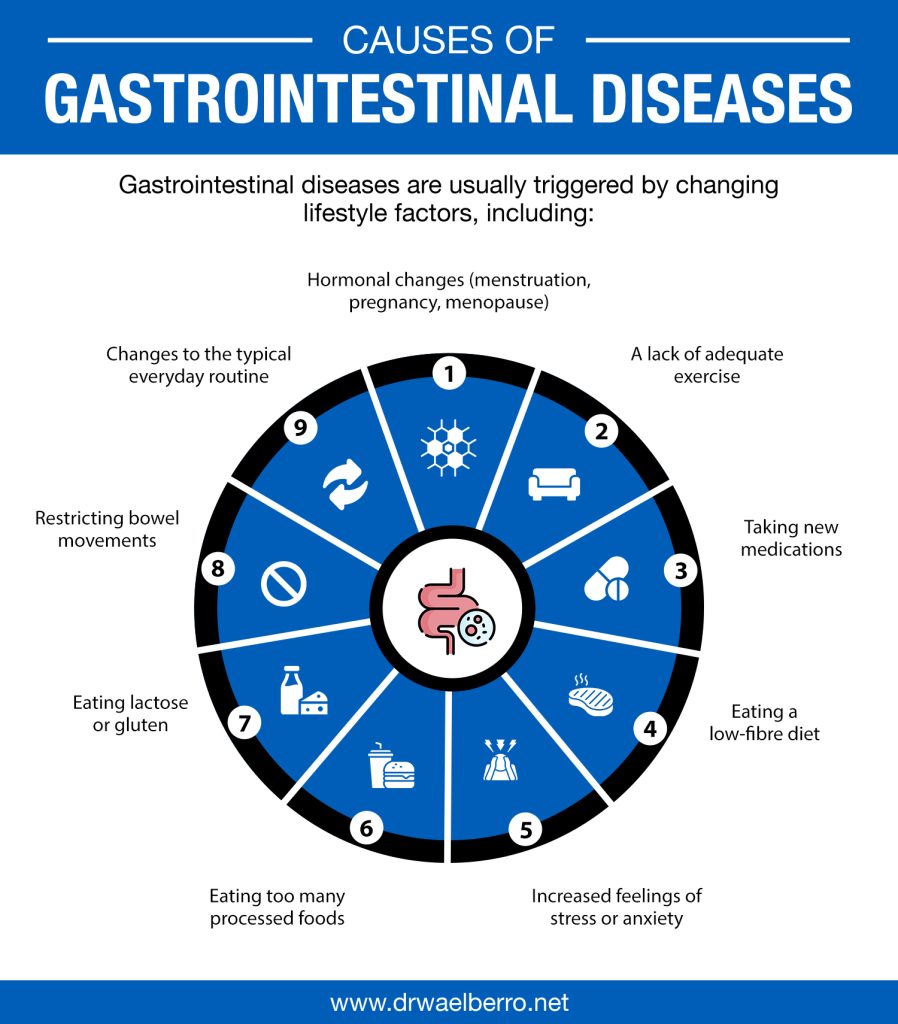
When food enters the gastrointestinal tract, it moves from the mouth to the stomach to the rectum, with other organs, including the liver and pancreas, also playing key roles in digestion. Gastrointestinal diseases typically infect the body via this food, though they may also be triggered by lifestyle changes. Experienced medical professionals – like family medicine physician Dr Wael Berro – understand the importance of diagnosing gastrointestinal diseases, but many others struggle to make an accurate diagnosis.
Gastrointestinal diseases can be acute or chronic. The symptoms of acute diseases last a short period of time and usually aren’t too taxing, whereas chronic symptoms can impact the body for months or even years. As a result, it’s important to accurately diagnose the disease and seek appropriate treatment. For more information on how gastrointestinal diseases are treated, see the embedded PDF.
The first step in the diagnostic process is understanding the symptoms of gastrointestinal diseases, which often include:
- Diarrhoea
- Heartburn
- Rectal bleeding
- Vomiting
- Bloating and stomach cramps
- Incontinence
These symptoms are then split into two categories: functional and structural. Functional gastrointestinal diseases are the most common type, and they’re characterised by a lack of physical issue within the digestive tract. They’re usually resolved with lifestyle changes rather than medical treatment. For example, irritable bowel syndrome (IBS) is a functional disease primarily treated with healthier eating habits, more exercise and probiotics.
Structural gastrointestinal diseases, on the other hand, are characterised by a physical abnormality within the digestive tract. The colon and rectum are two organs most likely to be affected by structural issues, such as inflammation, polyps or blockages. In this case, a minimally-invasive surgery may be required to relieve pain and other symptoms.
Accurate and timely diagnosis is crucial for differentiating between functional and structural gastrointestinal diseases. In the worst cases, structural diseases may indicate colorectal cancer, especially if the patient has a family history of cancer, so seeking a medical diagnosis is highly recommended. Some cases may be referred to a gastroenterologist for specialist care, but the majority of gastrointestinal diseases are, thankfully, far easier to treat.