

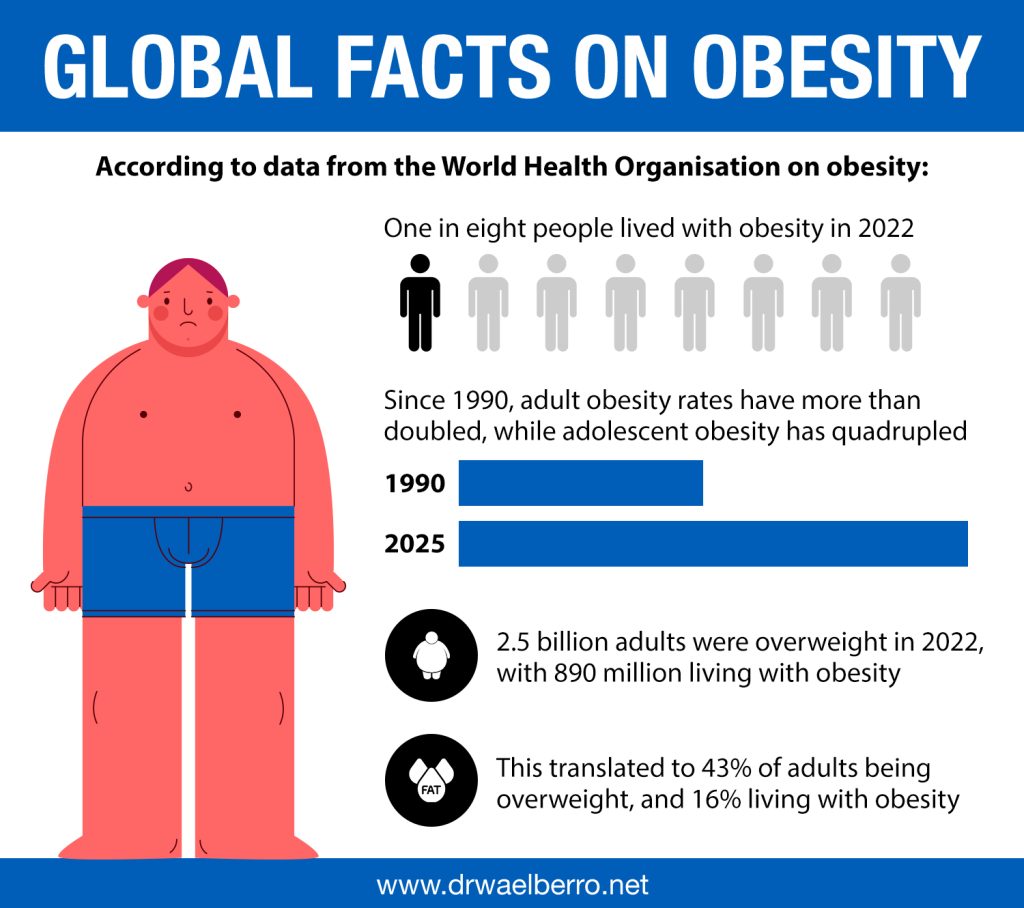
It’s no secret that obesity is a global problem, with one in eight people living with obesity according to data from the World Health Organization. As a public health issue, it is directly associated with conditions such as hypertension, heart disease, stroke and some cancers. Thankfully, medical health professionals such as Dr Wael Berro, an experienced primary care physician, have the knowledge to guide individuals on weight management matters.
Weight management, especially when targeted at dealing with obesity, can be structured around basic goals such as reducing body weight, maintaining weight loss and healthy nutrition to prevent any deficiencies in diet. For many people, losing up to five percent of weight can be beneficial to lowering blood pressure and reducing the risk of diabetes. As such, it is a target that should be achieved through a healthy lifestyle.
The Role of Diet
While there’s no hard rule on how to go about safely losing between 0.5 and 1 kilogram weekly, reducing energy intake by 600 calories daily is advisable. For men, this means consuming at most 1,900 calories daily, while for women the maximum is 1,400 calories. This means eliminating high-energy and unhealthy food choices and replacing them with fruit, vegetables, whole grains and protein. In reality, this might mean checking calorie information more regularly and also avoiding foods high in salt levels, as these can raise blood pressure.
For someone seeking to manage their weight, fad diets that recommend unsafe practices should be avoided. Such practices include going without food for long periods or eliminating certain food groups entirely, as these may not be sustainable and can have the effect of making someone feel sick.
If you are going to follow a diet programme, it is important to make sure it has meaningful information on portion sizes, isn’t too restrictive on food types and is based on a sustainable model of weight loss, rather than providing quick, almost overnight solutions.
Exercise
The second key component to sustainable weight loss is regular exercise, which for an average adult is at least half an hour of moderate physical activity on five or more days weekly. Moderate physical activity is the type that raises the breathing and heart rates of the individual. For individuals who are overweight, between 45 and 60 minutes of this type of exercise daily may be necessary to keep them from gaining weight.
Aside from exercising regularly, individuals looking to manage their weight should look to reduce the amount of time they are inactive or sedentary, which means including physically engaging tasks and activities in their routines.