

Life experiences typically cause a range of emotions in everyday life. While emotions such as stress, anxiety and feeling down can occur occasionally, it’s usually a cause of concern when they linger and start to interfere with daily life. That’s because these feelings can be a symptom of a mental health disorder, necessitating individuals to seek help in numerous ways.
Learning to recognise the signs of mental health issues is a critical aspect that primary care physicians such as Dr Wael Berro emphasise. Seeking help also works to demystify certain aspects of mental health issues that keep people from finding assistance. For example, someone can have poor mental health and not be diagnosed with a mental illness. It is through awareness that the stigma associated with mental health is tackled, making sure that individuals get the help they require when it is necessary.
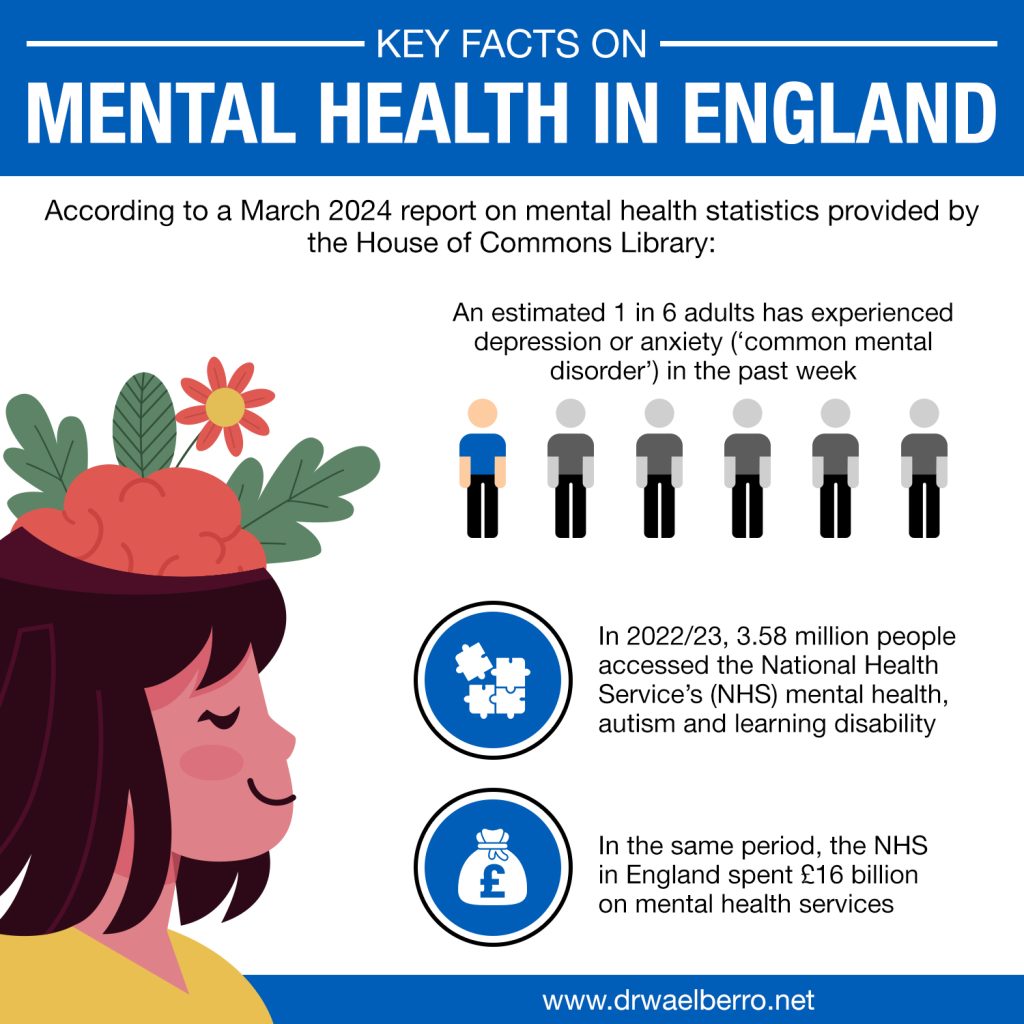
While it can be difficult to distinguish whether a typical response to life’s challenges qualifies as a factor for seeking help, there are some notable aspects to watch out for:
- Constant Stress: The human body is typically the first to indicate that something is wrong. In people who are constantly stressed, signs such as consistent headaches, stomach issues and even muscle pain can be indicators of stress that requires a change in approach.
- Crippling Anxiety: Anxiety is the brain’s response to a perceived threat and is experienced as a result of stressful events or experiences. When this is prolonged, it can become a disorder where repetitive worry becomes normal and affects the ability to function normally.
- Depression: Someone who is depressed loses the ability to enjoy activities they previously looked forward to. They also experience symptoms such as poor sleep, aches, weight changes and social withdrawal.
Reach Out for Help
One of the main reasons people don’t get help for mental health issues is that they don’t know where to get it from. If this is a concern, it helps to start with the following:
- A Primary Care Physician: Such a resource can be quite useful for helping an individual recognise the symptoms and develop a treatment plan. In some cases, they can also refer individuals to specialists.
- Ask for Recommendations: Sometimes the help an individual needs can be found by asking close friends, family members and colleagues, as well as by looking online for mental health resources. The internet has many tools and much information in this regard and can be a starting point for receiving help.